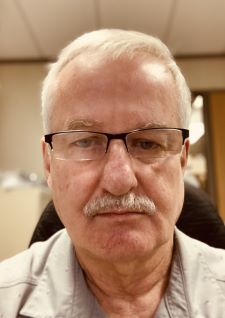
Jan Adamczewski
Jan Adamcweski obtained his BSc in Wildlife Biology from U Guelph in 1980, and a MSc from U Alberta in 1988, studying the ecology of caribou on Coats Island in northern Hudson Bay. He earned his PhD from U Saskatchewan in 1995 focusing his research on muskox nutrition and body condition, especially on wild muskoxen on Victoria Island, NU as well as the captive muskoxen near Saskatoon. Jan worked as a biologist for the province of Newfoundland for 2 years, for the Sahtu Renewable Resources Board in Norman Wells in NWT for one year, and for the Yukon government for 9 years as a regional biologist in Watson Lake, Yukon. He has been a biologist for the Government of NWT in Yellowknife since 2007. He has a true passion for wildlife conservation, most especially the muskoxen in Canada’s north.
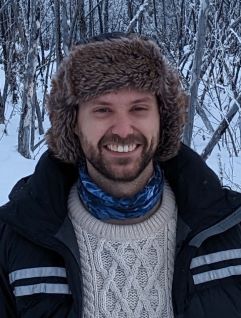
Nick Luymes
Nick Luymes is a postdoctoral researcher at Wilfrid Laurier University studying habitat and resource use of northern ungulates, including muskox and caribou. He received his PhD from McMaster University where his thesis focussed on the conservation and management of amphibian habitat in Ontario. He enjoys using statistics and programming to solve research problems and visualize data and results. Nick lives in Hamilton, Ontario and in his spare time enjoys playing ultimate frisbee, hiking with his dog, and learning more about Ontario’s lovely flora and fauna.