Food Technologies of Today and Tomorrow

Thursday, Feb 23, 2023

1:30pm - 3:30pm

Lecture by:
Dr. Alex Glaros

Our food systems are in a process of radical technological transformation, what some are calling the fourth agricultural revolution. Producing meat and dairy proteins without animals, once in the realm of science fiction, is attracting millions of dollars in investment for research and development and has even been commercialized in Singapore. You can now shop for lettuce, tomatoes, and herbs that have been grown in shipping containers without ever seeing sunlight. Fleets of tractors can seed, spray, and harvest thousands of acres of corn, soybeans, and wheat, without anyone behind the wheel. Cricket powder is readily available to buy from Amazon and is even on some store shelves in Canada. The promise of all these developments is to reduce the environmental footprint of farming, protect agriculture from a changing climate, and lower the cost of food for a growing global population. Yet, with any potentially disruptive technological innovation, there are a variety of social, environmental, and political consequences that must be explored, discussed, and publicly debated. In this lecture, we consider the potential consequences of two agri-food innovations for the global food system: alternative proteins and vertical farming. Dr. Glaros presents the results of research he has been undertaking for over seven years with government, industry partners, and not-for-profit organizations that explores these themes. We will consider the environmental sustainability of alternative proteins and vertical farming, their potential consequences for farmers, as well as the role of the public as active participants in governing agri-food innovations.

About Dr. Alex Glaros

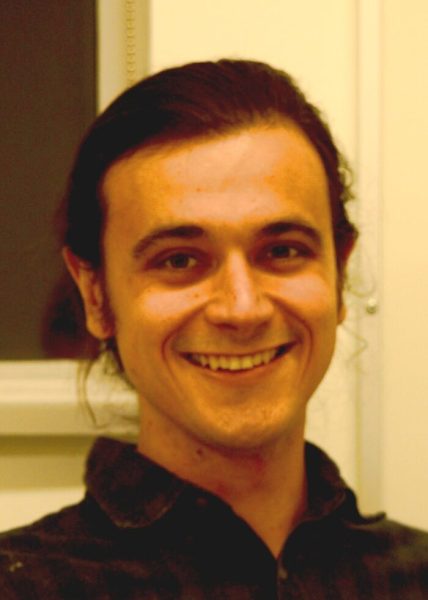
Dr. Alex Glaros

Dr. Alex Glaros is a Postdoctoral Fellow at the Food and Agriculture Institute of the University of the Fraser Valley, British Columbia. His work considers the social, environmental, and political implications of emerging foods and food production technologies such as cellular agriculture (lab grown meat), entomophagy (consuming insects), controlled environment agriculture (vertical farming), and digital agriculture technologies. In addition, in partnership with the Open Food Network Canada, he works alongside small-scale farmers and farmers’ market managers as they adopt or consider adopting digital technologies to help manage their operations. He has worked in both Canada and China to research these topics. Outside of work he enjoys experimenting with ‘other’ food technologies, including baking sourdough breads, fermenting hot sauces, brewing beer, and growing mealworms to make enriched flour. Dr. Glaros has published several peer-reviewed journal articles, book chapters, and popular media articles in venues such as the Conversation Canada.