International cooperation helps assess effects of climate change on health of Arctic Rivers

Tuesday, Jan 21, 2025

1:30pm - 3:30pm

Lecture by:
Joseph Culp

Climate change has dramatic effects on freshwater ecosystems in the Arctic through alterations of the chemical and physical environment. However, the lack of internationally coordinated monitoring of freshwater plants and animals hinders our ability to assess changes caused by climate shifts. To address the need for such coordinated, circumpolar monitoring, the Arctic Council formed the Circumpolar Biodiversity Monitoring Program (CBMP), which is focused around four ecosystem themes (Terrestrial, Freshwater, Coastal, Marine). The CBMP has produced important circumpolar assessments that document the current state of Arctic biodiversity. Freshwater-CBMP compiled and analyzed a vast amount of monitoring data from more than 9000 sites across the Arctic to produce the first assessment of biodiversity status and trends in these freshwaters. Diversity was lowest at high latitudes due to constraints imposed by temperature and ice regimes. In addition, the shortage of land mass connections restricts the dispersal of species. We hypothesize that the northward expansion of species ranges into southern Arctic regions may lead to large changes in the state of freshwater ecosystems and produce negative, interspecific competition effects for organisms adapted to cold environments. Ultimately, these changes to freshwater ecosystems can cause irreversible extinction of unique Arctic plants and animals. Such circumpolar assessments of Arctic freshwater biodiversity provide important baseline information, and are useful to researchers, policy makers, and Indigenous and local communities.

About Joseph Culp

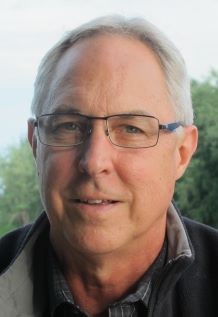
Joseph Culp

Dr. Joseph Culp is a Scientist in Residence and Adjunct Professor at Wilfrid Laurier University and an Emeritus Research Scientist with Environment and Climate Change Canada. His current research investigates the biodiversity of rivers in the Arctic. Past research includes examining the impacts of multiple stressors of agriculture, industrial effluents, and municipal wastewater on river plants and animals. He is a recipient of the Queen Elizabeth II Diamond Jubilee Medal and is international co-lead of Arctic Council’s Freshwater Circumpolar Biodiversity Monitoring Program. He frequently serves on national and international review panels and collaborates widely with researchers in Canada and Europe.